Introduction to SVAHNAR
The SVAHNAR Agentic AI Framework is designed to empower both developers and non-technical users to build intelligent, autonomous AI systems.
Unlike traditional automation, SVAHNAR enables you to deploy Agentic AI—systems that can think, learn, and act independently to achieve your goals.
With this framework, you can:
- Connect to leading Foundation Models (LLMs).
- Integrate seamlessly with external tools and APIs.
- Define strict guardrails (Do's and Don'ts) for safety.
💡 Core Concepts
Before building, it is helpful to understand what sets Agentic AI apart from standard automation.
What is Agentic AI?
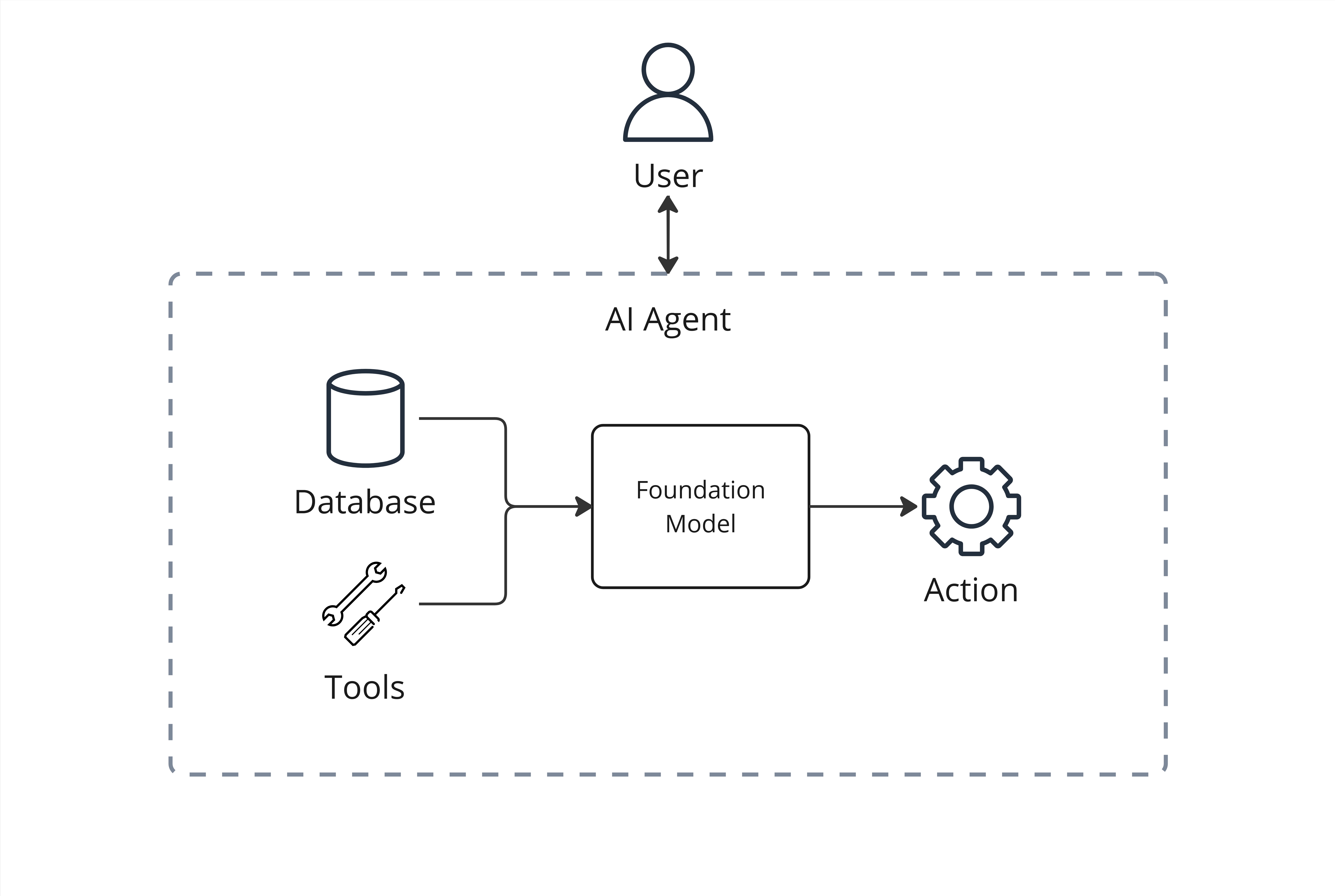
Traditional AI waits for a prompt to give an answer. Agentic AI operates with autonomy and purpose. It is designed to:
- Perceive: Collects and understands data from its environment, tools, and knowledge repositories.
- Reason: Plans a path to a solution. It figures out which tools to use and breaks down complex problems into manageable steps.
- Act: Executes its plans using external tools (like APIs, Databases, or Search) while adhering to defined safeguards.
- Learn: Improves over time by utilizing feedback loops to refine its decision-making.
⚙️ Configuration Approach
SVAHNAR uses a YAML-first approach.
We chose YAML (Yet Another Markup Language) because it is human-readable. This allows everyone to "read" the structure of an AI agent and understand its behavior without needing to deal with complex code.
You do not lose features or flexibility by using YAML. You retain the same level of granular control as you would with Python or JavaScript.
You can also use our Agent Console to create Agents without writing YAML files directly.
Log in to the SVAHNAR Platform and navigate to the Agent Console on the top bar to create your first Agent.
The Foundation Key
Every Agentic Network you build begins with a single, top-level key. This tells the framework that you are defining a network of agents.
create_agent_network:
  # All your agent configurations, tools, and logic reside here